Beating Diarrhoea- A Chemotherapy side effect

chemography

Most cancer patients feel uneasy and irritable due to the side effects of their treatments. The radiations that the patient is exposed to while undergoing this treatment are not good for healthy people but these risks are immaterial when you think about the benefit for the patients in it. The gastrointestinal side effects of the treatment leave the patient flustered and uncomfortable. Let us take a look at the ways in which these can be dealt with effectively.
Diarrhoea.

When you have bowel movements more often that what is normal, and they are soft, loose and watery, you might have diarrhoea.
Following are the symptoms:

  • feeling dizzy
  • having a fever of 100.5° F or higher
  • having stomach pain and cramps for more than a day
  • Rectal area becomes sore or bleeds.

If you observe these symptoms, visit the doctor and do not take any medicines other than those prescribed by your doctor.
Certain food habits can reduce or deteriorate this problem. Here are a few do’s and don’ts,

Dont’s:

  • Exclude spicy, greasy, or fried foods.
  • Avoid having milk or dairy products such as cheese or ice cream. You can check food labels to see if milk products are listed in the ingredients. You may try “lactose-free” products instead.
  • Avoid having caffeine in any form. For example, coffee, chocolate etc. even though coffee will help you in beating fatigue; the caffeine content will worsen the diarrhoea.
  • Avoid consuming alcoholic beverages.
  • Avoid or have lesser quantities of raw fruit, vegetables, and whole wheat breads and cereals.

Instead, you could have more juices and parboiled vegetables and toasted breads etc. Canned fruits and vegetables without skins and seeds are easy on the stomach.
Do’s:

  • Consult your doctor or nurse regarding your diet.
  • Avoid all types of food that can cause acidity and gas problems in the stomach.
  • Try to eat 4-5 small meals throughout the day, instead of 3 large meals.
  • To beat diarrhoea, your doctor may recommend the BRAT diet. BRAT stands for:
    1. Bananas
    2. Rice
    3. Applesauce
    4. Toast
  • Drink more liquids. Although, drinking more liquids won’t stop the diarrhoea, it will definitely help in replacing the fluids you are losing.
  • People, who have diarrhoea, need to drink 8 to 12 cups of liquids every day. Clear soda, ginger ale, Cranberry or grape juice, tea (without caffeine), water and chicken or vegetable broths are recommended.
  • Meats, such as chicken, fish, or turkey (boiled or baked), noodles, oatmeal, peanut butter that is creamy or smooth, potatoes (boiled and without the skin), white rice, white toast are the food items that are recommended for easy digestion and easy bowel movement.
  • While we have discussed all the dos and don’ts of the diarrhoea caused as a side effect of cancer treatments, it is important to note that taking good care of your rectal region also becomes important in such a situation. Consult a doctor for medicinal and other concerns.
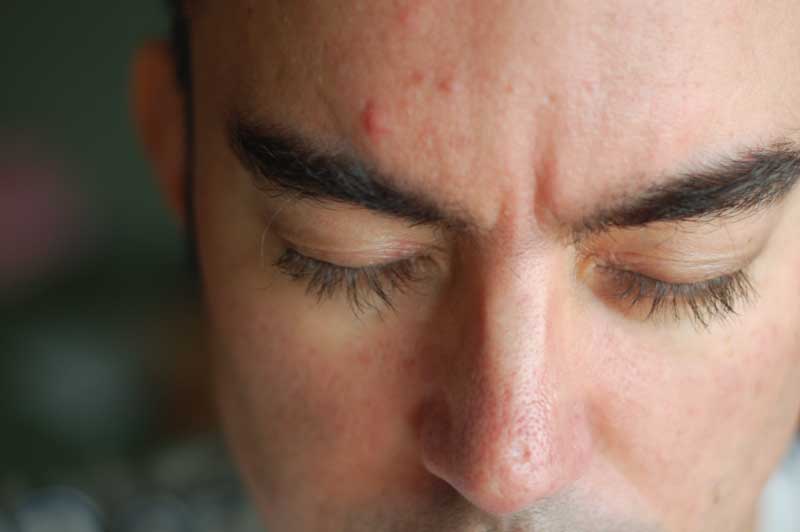

Side effects of cancer

side-effects

The side of effects of cancer and Chemotherapy in cancer treatment are known to be varied and painful. Even so, they can be dealt with, with the right amount of guidance and patience. These side effects more often than not affect the mental well being of an individual as they manifest themselves physically. The changes in appearance make you feel a sense of loss of a part of you. Do not let these changes have an adverse effect on you since they can very much be reversed once you recover.Listed below are a few side effects of cancer and a few ways of preventing yourself from side effects of cancer and relieving them.
Anaemia and Bleeding Problems
Anaemia is a condition in which the body is devoid of the necessary amount of RBCs. RBCs are the oxygen carriers in the body. They also constitute the haemoglobin levels of the body. Anaemia causes weakness and tiredness. The best way of dealing with anaemia is to conserve your energy to do only the necessary things, having the right nutrition to boost your haemoglobin levels and giving enough rest to your body. Make sure your diet includes iron and protein in sufficient quantities. The symptoms can be,

  • Dizzy or faint
  • Short of breath
  • Very weak and tired
  • •Rapid heart beat

Chemotherapy can make it easier for a person to bleed. In such a case, constant care needs to be taken to prevent bruising and bleeding. The following steps can be taken to make sure you do not bleed.

  • Use an electric shaver, not a razor.
  • Be careful when using scissors, knives, or other sharp objects.
  • Wear shoes all the time, to protect your feet.
  • Blow your nose gently.
  • Brush your teeth with a very soft toothbrush.

If the following symptoms are observed as side effects of cnacer, bring them to the notice of your doctor immediately.

  • Bruises.
  • Tiny, red, pinpoint spots on your skin.
  • Bad headaches.
  • Changes in vision.
  • Feeling confused or very sleepy.
  • When bleeding doesn’t stop for a long time.
  • Bleeding from your mouth or nose.
  • Bleeding from your vagina.
  • Bleeding during your period is heavier or lasts longer than normal.
  • Blood in your urine. The urine will have a red or pink colour to it.
  • Black or bloody stools.

Preventing the Damage

  • Using a mouth wash regularly and making sure your mouth stays clean when you are going through Chemotherapy sessions will prevent the occurrence of mouth ulcers and and also protect you from tooth loss. If the mouth is not properly cared for, the cells inside the mouth divide rapidly and tend to tear up the mouth.
  • It is important to not get pregnant during a cancer treatment as it can have adverse effects on the foetus. Consult your doctor for safer, alternative treatments if you are diagnosed with cancer during pregnancy.
  • The side effects of cancer can be dealt with effectively if you follow your doctor’s advice correctly and do the needful.

Looking at different sides of cancer

flip-side

It is often said that cancer is a disease of the mind rather than the body and this is one of the many other sides of cancer. Although the effects of the disease on the body are severe, it is the mental well being of the patient, that gets affected the most. It is necessary to understand sides of cancer for defeating the disease, as it requires the patient to be mentally strong as the treatment includes undergoing an operation to remove the tumour and beyond that the patient needs to undergo radiotherapy or chemotherapy or both which drains out all the strength the person has.

Initially when a person is diagnosed with cancer he is under a state of shock and denial. The thoughts like ‘why me’ and ‘what now’ are the first ones to rush into their minds. It is like a state where you see your life start collapsing in front of you. Some people start living in denial and deny taking treatment. They start living under an illusion and try to make themselves believe that they are not affected by the disease. In order to be able to defeat cancer the first step for the patient is to accept the fact that he is suffering from the disease and seek medical help as soon as possible. For people who are unable to accept it. The family and the close ones need to help them come out of the state of denial.

Some patients have a lot of fear regarding the painful procedures involved in the treatment of cancer. They need to be explained in depth as to how the whole procedure is carried out and how effective and necessary the procedures are. They need to be made to look at the positive side of being cured by the treatment. Some patients suffer from anxiety and panic attack when diagnosed with cancer. The symptoms of anxiety and panic include sleeplessness, palpitation, persistent headache, restlessness, etc. In case the symptoms are severe the patients need to undergo counselling along with the treatment.

Some types of Chemo sessions can leave you with Anaemia. Anaemia is basically the lack of red blood cells (RBCs). RBCs contain haemoglobin and the haemoglobin carries oxygen to the body. Hence, the lack of RBCs can lead to a reduced RBC count and the oxygen flow through the body gets curtailed. This is one of the most important reasons for the stress on nutrition and correct diet while dealing with cancer. Having anaemia is sure to make you feel fatigued and weak all the time. In such a case, it is important to conserve your energy, take small naps and eat the right kind of food.

One needs to realise that if one survives cancer, one will never be able to look at life in the same way. The change in the outlook that the disease brings about is bound to stay with you even after you recuperate. Have some goals even while combating cancer and make sure you work towards them. Do the things that you love, as it will help reduce your stress and keep your mind off the illness.

Why is heart cancer so rare?

10 Today, heart ailments are the one of the leading causes of death in the young and not-so-young alike.  Also in the race, and much ahead probably is cancer. Here, a question arises; why is this essential component of anatomy such an unwelcoming host to the leading cause of death for all age groups? There are over 100 different types of cancer that occur in various parts of the body – each is classified by the type of cell that is initially affected Cardiac primary tumours, the ones that originate in the heart itself, are extremely rare. In published autopsy series, the high-end incidence of such tumours is about one quarter of one percent. The majority of diagnosed cardiac tumours are benign. In adults, a somewhat mushy, gelatinous type called a myxoma is the most common; in infants and children, rhabdomyomas predominate, typically associated with the syndrome tuberous sclerosis. Malignant heart tumours are most often metastases from primary tumours in nearby organs, such as the kidneys or lungs. [AdsWithin] Compared to other forms, the field of heart cancer hardly has any clinical trial results, meta-analyses, or treatment guidelines available. This is because, although the heart may be the ultimate emblem of love and compassion, it also has another distinction: a near immunity to cancer.
[AdsWithin]
This is a fortunate fact in life given the importance of the heart in a human body. Myocyte- The Saviour The heart is a muscle laden organ, and a copious & highly specialized cell in this organ is the cardiac Myocyte. Unlike other damaged organs, the heart seems mostly incapable of mending injured tissue. And that, according to leading cardiac researchers, is because the cells that compose the muscle itself, cardiac myocytes, are terminally differentiated. In simple words, these cells reach a point very early on in a person’s life where they permanently exit the cell cycle and stop dividing. Thereafter, further growth occurs by cell size expansion and not through cell division. This differs, for instance, from the epithelial cells that line other organs, which, in response to certain stimuli, actively divide and, when necessary, grow in number. This particular phenomenon is like a double edged sword for the body. The myocytes are not only prevented from re-entering the cell cycle in order to multiply, but are also barred from entering the same cycle for the restoration of damaged tissue. This explains why the human heart ‘s hostility towards the formation of a tumour. With little or no proliferation activity taking place in the heart, the issue of cell abnormality does not arise. Given the extreme rarity of heart cancer cases, not much research can really be carried out in this area of medicine. The best way to treat patients is also an empirical data which is difficult to be gathered here. The best way to deal with heart cancer cases as of now according to doctors is to lead patients to centres which are reasonably experienced in handling such cases.

Prostate Cancer in a Nutshell

9

What is Prostate Cancer?

Prostate cancer is the tumour that forms in the tissues of the prostate which is a gland found only in males. It is found below the bladder and in front of the rectum. The prostate usually stays at about the same size or grows slowly in adults, as long as male hormones are present. Several types of cells are found in the prostate, but almost all prostate cancers develop from the gland cells. Gland cells make the prostate fluid that is added to the semen. Other types of cancer can also start in the prostate gland, including sarcomas, small cell carcinomas, and transitional cell carcinomas. But these types of prostate cancer are so rare that if you have prostate cancer it is almost certain to be an adenocarcinoma.

Prostate cancer is the most common cancer among men (after skin cancer), but it can often be successfully treated. Some prostate cancers can grow and spread quickly, but most grow slowly. In fact, autopsy studies show that many older men who died of other diseases also had prostate cancer that never affected them during their lives.
[AdsWithin]
 

Symptoms

As with any cancer, knowing Prostate Cancer Symptoms is essential in order to avoid complications. Also, like many other cancers, Prostate cancer symptoms do not manifest themselves in the early stages.

  • Trouble urinating
  •  blood in the urine
  • painful urination
  • Painful ejaculation
  • An urge to urinate more frequently
  • Swelling or weakness in the legs
  • pain in the pelvis
  •  compression of the spine
  • urinary or faecal incontinence
  • pain in the spine or ribs

The above are all signs that can be easily noticeable by most men and that should give out an alert of prostate cancer.

 Diagnosis and treatment

Prostate cancer, being a relatively slow growing cancer, can give the patient time to select the proper treatment option. Since, prostate cancer usually occurs in older men they can select the most suited treatment based on numerous factors including the severity of the cancer, other health issues, etc.

Treatment options include the conventional, established treatments like the complete removal of the prostate, radiation therapy and also a concept known as watchful waiting which acknowledges the cancer but just keeps an eye on it to make sure it does not spread.

HIFU or high intensity focused ultrasound is a relatively new, but successful treatment option.

If the cancer is confined to the prostate, but involving larger tumours, radiation therapy and prostatectomy are commonly recommended.

Prostatectomy involves removing both the prostate and the nearby lymph nodes. Radiation treatment involves radiation directed at the area having tumours for a few months. The insertion of radioactive pellets into the prostate is another option which requires a short hospital stay.

These treatments may result in impotence and incontinence. However, they are among the possible treatment modalities with a relatively high success rate for curing or at least stopping cancers that have not spread beyond the prostate.