Focus on Cancer RSS Feed 2014-05-28 10:00:00

In 2011, Bill Barbour was diagnosed with prostate cancer and treated with proton therapy at Penn Medicine. Today, he is cancer free.

But this story isn’t about Bill.

Bill Barbour bikeAn avid cyclist, Bill is riding the inaugural Ride to Conquer Cancer Philadelphia ride this October.

Though he’s not doing it for himself.

“For many people participating, the ride is a metaphor for their life and their survival,” says Bill. “The ride has a purpose, beginning, support, family, friends, challenges and a finish. It may be analogous to someone’s journey through their cancer battle,” Bill adds.

But for Bill, the ride is about possibilities – and how dollars earned through the ride directly contribute to life-saving cancer research at the Abramson Cancer Center.

“I believe in the research happening at Penn,” says Bill who is most recently inspired by the story of Emma Whitehead who is cancer-free because of Dr. Carl June’s cancer research at the Abramson Cancer Center. “The research happening today will create new therapies to save lives tomorrow. I want to support that.”

Bill says the opportunity to help raise money for cancer research brings to mind an impressive scene from the 2001 movie, Gladiator.

Bill describes Russell Crowe’s character as the Roman general that is preparing his men to enter battle. The general looks around to the men who will ultimately give their lives for the fight he proclaims, “Brothers, what we do in life echoes in eternity!”

Bill says that “we can make such echoes in our support of cancer research today that will benefit generations to come.”

Visit Bill’s online fundraising page here

The Ride to Conquer Cancer©

Join Penn Medicine’s Abramson Cancer Center (ACC) on October 11 to 12, 2014 in the Ride to Conquer Cancer© (RTCC)—an unforgettable and epic bike ride through Pennsylvania’s picturesque scenery -towards one life-changing destination: to cure cancer. The ride isn’t just for cyclists, it’s for anyone who wants to see a cure for cancer.

At two-days and 150+ miles the RTCC will be a physical challenge—and an emotional and inspirational weekend—that will give you a chance to join forces with our physicians, patients, and families to leave everything on the bike course and raise serious funds and awareness in the ACC’s fight to cure cancer.

The funds raised through the ride will be put to use immediately, powering the ACC’s vision to eradicate cancer as a cause of human disease and suffering through precision medicine, novel research, next-generation therapies, and compassionate care.

JOIN TODAY!

This event will be remarkable and will bring together communities of cancer survivors, cyclists, and their supporters with a common goal to conquer this disease. Join the ride in October by registering today at www.ridetovictory.org or by calling (844) 777-7433.

Before the ride, you will have access to:

  • Expert coaching
  • Training rides in your area
  • Personal web page for fundraising
  • Helpful manual
  • 2014 ride commemorative item

During the ride, participants will have access to:

  • Support along the route
  • Catered meals
  • Entertainment at camp
  • Massage and medical care

Know it all about Bowel Cancer and win the game of life

bowelcancer
We all know cancer can attack just any part of your body though nobody still knows the exact reason behind any type of cancer. Here is everything about bowel cancer or what is in medical terms called colorectal adenocarcinoma. Basically, it is the cancer of the colon or the rectum due to uncontrolled and unwanted cell growth in the large intestine or in the appendix.

Symptoms
The symptoms of bowel cancer may look like a very ordinary sign of sickness and therefore any prolonged abnormality must never be ignored. Here is what you should look out for:

  • Blood in the stool: People often mistake it for diarrhea or simply, the result of a little injury due to constipation.
  • Sensing a lump: If you sense a lump in your abdomen or lower back you must not ignore it. Never ignore any sudden and abnormal growth in your body.
  • Weight loss: This is a symptom common to almost all type of cancers and all types of minor sicknesses and therefore the most ignored one.
  • Drop in hemoglobin level: Again, a symptom so common that people only take it for anemia.
  • Pain: An unreasonably painful abdomen or unexplained pain around the rectal area is a strong sign of bowel cancer.
  • Bowel obstruction: This leads to pain in the lower area, constipation and a perpetual sick and bloating sensation leading to nausea or even vomiting.

Causes
The exact cause of no cancer is really known but there are some factors that are known to increase the chances of rectal cancer and they are:

  • Old age: More people over 50 years old get colorectal cancer than people younger than that.
  • Bowel diseases: People with bowel obstruction or diseases like the Crohn Syndrome or ulcer are more likely to develop colon cancer.
  • Lifestyle: Obesity, lack of physical activity, uncontrolled smoking and alcohol consumption along with an unhealthy diet affects the whole bowel system and can lead to bowel cancer.
  • Heredity: If quite a few people in your family got it, it is possible you get it too though if you take precautions, chances are minimized.
  • Genetic disorder: Familial adenomatous polyposis is something to worry about.

Prevention
Reduced intake of red meat, alcohol and nicotine in any form with an increased consumption of fruits, vegetables and whole grains including calcium and Vitamin D in the diet and some physical exercise in the daily routine can reduce the chances of developing bowel cancer. For those already at a high risk due to genetic or hereditary factors, Aspirin, Celecoxib or a similar medication is recommended. People with low to average risk are not prescribed such medication though.

Diagnosis
Here is a list of various processes of diagnosis:

  • A series of blood tests: Basically in search of the carcino-embryonic antigen (CEA)
  • Colonoscopy: A visual study of the entire colon
  • Sigmoidoscopy: Study of only the sigmoid, the rectal end of the colon
  • CT Scan: Of the chest, abdomen and lower body
  • Endorectal Ultrasound: Imaging with the help of subsonic vibrations

Of anybody is unfortunately diagnosed with bowel cancer the treatment procedures include surgery chemotherapy and radiation. Palliative care is given to those with incurable cancer.

Penn Study Reveals Breastfeeding, Birth Control Pills May Reduce Ovarian Cancer Risk Among BRCA Carriers

Research has shown that women carrying BRCA mutations are at increased risk for ovarian cancer, with a 10-45% risk of developing the disease over the course of their lifetimes compared to the average 1-2% chance.

As a result, both BRCA carriers and their health care providers frequently ask about other factors that may impact ovarian cancer risk for the already high risk population.

“Heredity is Not Destiny”

Towards that end, a group of researchers at Penn’s Basser Research Center for BRCA investigated factors that may impact or modify ovarian cancer risk in BRCA carriers.

In their meta-analysis of 44 peer-reviewed articles, Penn researchers found that breastfeeding, tubal ligation- also known as having one’s “tubes tied,” and oral contraceptive use may all lower the risk of ovarian cancer for some women with BRCA mutations.

Lead author and Basser-funded investigator, Timothy R. Rebbeck, PhD explains that “our analysis reveals that heredity is not destiny, and that working with their physicians and counselors, women with BRCA mutations can take proactive steps that may reduce their risk of being diagnosed with ovarian cancer.”

Susan Domchek, MD, executive director of the Basser Research Center for BRCA and co-author on the new paper adds, “It’s imperative that we continue examining and building upon past research in this area so that we can provide BRCA mutation carriers with options at every age, and at every stage of their lives.”

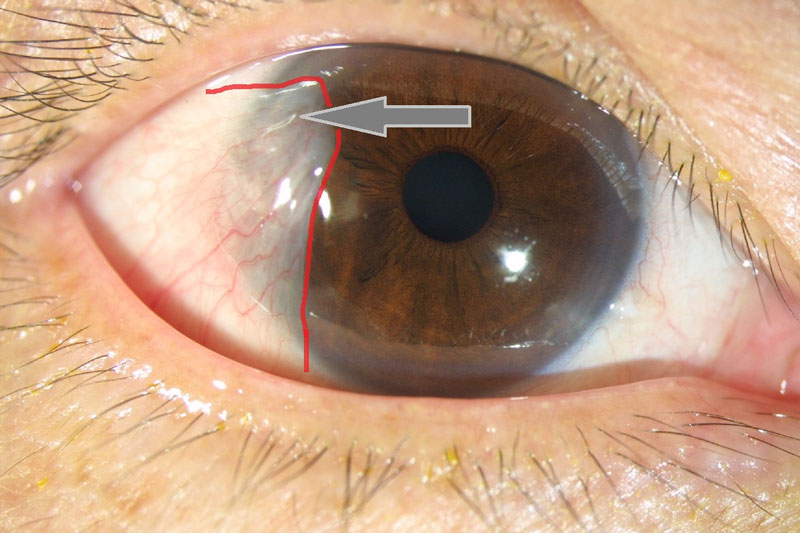
What is eye cancer?

eye-cancer
When the cells in the eyes starts growing uncontrollably and becomes a mass, then there increases the chance of eye cancer. Eye cancer are of mainly two types; primary eye cancer and metastic eye cancer. Primary eye cancer starts within the eye. Metastic eye cancer spreads to eye from another organ. Breast cancer and lung cancer are the two cancers that can spread to the eyes, causing the risk of eye cancer.

Signs and symptoms
Until the ophthalmologist or optometrist does not check in the eye, the person may be unknown about the tumor, as early signs are not much seen. But as the stage increases tumor grows and symptoms may pop up like;

  • Blurred visions
  • Decreased vision
  • Double vision
  • Partially vision loss.

But if still tumor spreads it can destroy and break past the retina. The other symptoms are;

  • Rarely the tumor is seen through pupil
  • There can be dark spot on the iris which continuous to grow.
  • A whitish or yellowish glow through the pupil decreasing or loss of vision.
  • Bulging of one eye
  • Pain in or around the eye
  • Change in the appearance of the eye.

Causes of eye cancer

  • Sunlight: too much exposure to sunlight and no protection given to eyes when outside in sun, can increase the chances of eye cancer.
  • Professions: people who work much radiations or lights such as welders, labourers etc are much prone to this disease.
  • Age: people above 50 or 70 age have high risk of this cancer.
  • Colors of eyes: those with light colored eyes have a high risk of tumor.

Treatment

  • Radiotherapy: it is based on size and location of the tumor. Modern radiation treatments are done for helping to spare healthy tissues.
  • Enucleation of the eye: in this treatment, eye is removed out and muscles and eyelids are left intact. The prosthesis is made by someone called an ocularist and is make to look like real eye.
  • Iridetomy: removal of the affected piece of the iris.
  • Exenteration: removal of the eye which can involve the eyelid.

Reasons,Types,Symptoms: Stomach cancer

stomach-cancer
Stomach cancer is also known as gastric cancer. It is the mixture of an abnormal (malignant, cancerous) group of cells that form a tumor in any part of the stomach. In most cases, it refers to cancer that starts off in the mucus-producing cells on the lining of the inside of the stomach (adenocarcinoma).

According to the World Health Organization, 800,000 cancer-related deaths are caused by stomach cancer each year globally. It is the fourth most common cancer worldwide, but the second leading cause of cancer-related deaths in the world.

Gastric cancer is more common among males, and people in developing nations. Stomach cancer risk and chances have increased today due to growing inappropriate diet style and more trend of eating outside food.

Types of stomach cancer
There are several types of stomach cancer

  • Adenocarcinoma of the stomach: Maximum stomach cancers are of this type. The cancer develops in the innermost lining of the stomach.
  • Gastrointestinal stomach tumor: It can be found in some parts of the digestive tract.

Signs and symptoms of stomach cancer
Symptoms of stomach cancer are very difficult to recognize. Symptoms means which is inside the body which is a feeling which includes stomach ache and giddiness, while signs are something which can be seen outside on the body parts which includes rashes and bleeding.
Some main symptoms may include at stage one of the cancer

  • A sensation of heaviness in stomach during meals even without eating too much. Stomach feels full even on empty stomach which causes irritation uncomfortness.
  • Difficulty in swallowing food. Due to rashes and burning sensations, swallowing becomes difficult which causes harm in throat too.
  • Continuous sensation of burping starts up and even continuous burps starts even in empty stomach and due to heaviness of stomach.
  • Feeling of bloated and stomach seems to be large enough.
  • Heartburn
  • Indigestion becomes the big trouble during this problem.
  • Stomach pain

Other serious symptoms during second stage

  • Quick weight loss due to loss of diet and sickness
  • Continuous sickness like fever and giddiness.
  • Difficulty in breathing.

When stomach cancer advances to stage 3, symptoms becomes more serious which includes

  • Stomach becomes lumpy and full of fluid
  • Blood spots and even continuous bleeding is seen in stools
  • Loss of appetite
  • Weight loss and heavy rashes
  • Vomiting which contains blood

Causes of stomach cancer

  • Smoking: the risk of tumor is high in people who are regular and chain smokers rather than non smokers.
  • Family history: if the relative of the patient had or have tumor, the chances rises.
  • Diet: having too much oily and salted food can cause stomach cancers.
  • Some surgerical procedures: some type of surgeries related to stomach done before can cause stomach cancer.

How it is diagnosed?

  • Breath test: a simple breath test is taken which shows chemical reaction of a patient’s exhaled breath.
  • Gastroscopic exam
  • Ultra sound scan
  • Barium meal X- ray

Treatment

  • Surgery – a try to remove the tumor if possible if in an early stage
  • Subtotal gastrectomy– the part of the stomach is surgically removed. Only a part of stomach is removed.
  • Total gastrectomy– the whole stomach is surgerically removed attached with cancer.

How to prevent stomach cancer?

  • Having ample of fruits and vegetables
  • Avoid salty and smoked food
  • Avoid smoking and alcohol.