Ways to prevent breast cancer

ways to prevent breast cancer

ways to prevent breast cancer
‘Breast cancer’ just these two words can get a women to worry. We all know someone who is affected by this diseases, don’t we? But there is a lot of good news about breast cancer these days. Treatments keep getting better, and we know more than ever about ways to prevent the disease. Here is list of ways to prevent breast cancer.

Keep you weight in check, always! Maintaining a stable weight is always good. There should be no sudden increase or decrease when it come to weight. Being overweight can increase the risk of many different cancers, including breast cancer, especially post menopause, along with the risk of having heart diseases.

One should always be physically active. There is no better treatment than an exercise. It is believed that women who are physically active for maximum 30 minutes a day have a lower risk of having breast cancer. Exercising will also help you in maintaining a stable weight.

Alcohol is not good for health. We all have heard this fact. It is okay to have it once in a while but not on regular bases. It is even said that alcohol is good for the heart, but sadly it is not good for cancer. Even a little amount of alcohol can increase the risk of breast cancer. In general, if you drink moderately, no more than one drink a day for women, the overall health benefits of drinking outweigh the risks. But if you don’t drink, don’t feel that you need to start.

Surprisingly, breastfeeding for a total period of one year or more lowers the risk of breast cancer. Also, it adds more health benefits to the child. It is advisable to avoid using birth control pills after the age of 35. These pills have both risks and benefits. Younger the women, lower she is at the risk. Whereas, women women are taking birth control pills, they have a slightly increased risk of breast cancer. This risk goes away quickly, though, after stopping the pills. Also consumption of these pills increase the chance of having strokes and heart attack, particularly if the women is smoking. But there is also a long term benefits to it that is there is a lower risk of ovary cancer, colon cancer and uterine cancer.

Post-menopausal hormones shouldn’t be taken long term to prevent chronic diseases, like osteoporosis and heart disease. They in fact have a mixed effect on health also they increase the risk of some diseases and lower the risk of others and both estrogenonly hormones and estrogen-plus-progestin hormones increase the risk of breast cancer. If women do take post-menopausal hormones, it should be for the shortest time possible.

One of the important thing is to know about your family history. Women with a family history of cancer should take some extra care. You might be at the risk of having breast cancer if your mother or sister or family member who has or had developed a breast cancer or ovarian cancer.
How to stay healthy after cancer treatment?

healthy-after-cancer-treatment

healthy-after-cancer-treatment
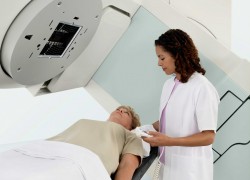
Cancer is hard and tough, but getting healthy after the cancer treatment is more tougher and harder. The cancer treatment is not only frighting but also literally drains out all the energy. Cancer survivors fight extremely hard with the disease, but they find it a little not so easy in gaining back their health. One of the most important way of fighting this disease completely is by getting a healthy body. Here is a list of ways that can help you get healthy after cancer treatment.

Say no to smoking. You must have heard this before, but the single best thing you can do as a survivor is stop. This will lower the risk of you having a second cancer, or some heart disease or a stroke. It will be extremely hard in the beginning, but it is not impossible. Always keep trying, never give up! It is believed that you may take some 7-8 tries before actually quitting. You can always talk to a health care advisor regrading your problem. You could also join in some smoke free therapy. Now, if you do not smoke, stay away from passive or secondhand smoking. This would only avoid the chances of any further risks. For this you could avoid going to smoky bars and restaurants. Try working in a non smoking place.

After the cancer treatment, one should get into daily exercises. It will be tough in the beginning but the benefits of regular activity make it well worth the effort to fit it in. This will boost your health and also improve your mood and the best part is that it will help you counter cancer related fatigue. Regular exercise may lower the risk of recurrence and help cut the risk of other chronic diseases. What you can do is do at least 30 minute of aerobic activity. Do activities that you enjoy the most, it could be like walking, gardening or dancing.

With the whole of caner stress and with the cancer treatment it is likely that there will be changes in you with the whole of your routine being changed. And among this, it will be hard for you to keep a weight check. Do not add unnecessary weight. See to it that you do not spend more time watching TV or computer. Get yourself involved in some physical activities. Eat a diet rich in fruits, vegetables and whole grains.

Have a healthy diet, always. A healthy diet can help keep weight in check, give your body the nutrients it needs and the energy you need to make it through a busy day. Focus on vegetables, fruits and whole grains and see to it that the red meat consumption is minimum. Consume fruits after dinner and lunch. Use fruits in morning cereal breakfast. Switch to fish or chicken from red meat.

Dynamics of Acute Promyelocytic Leukemia

Many tumors are believed to be maintained by a small number of cancer stem–like cells, where cure is thought to require eradication of this cell population. In this study, we investigated the dynamics of acute promyelocytic leukemia (APL) before and during therapy with regard to disease initiation, progression, and therapeutic response. This investigation used a mathematical model of hematopoiesis and a dataset derived from the North American Intergroup Study INT0129. The known phenotypic constraints of APL could be explained by a combination of differentiation blockade of PML–RARα–positive cells and suppression of normal hematopoiesis. All-trans retinoic acid (ATRA) neutralizes the differentiation block and decreases the proliferation rate of leukemic stem cells in vivo. Prolonged ATRA treatment after chemotherapy can cure patients with APL by eliminating the stem-like cell population over the course of approximately one year. To our knowledge, this study offers the first estimate of the average duration of therapy that is required to eliminate stem-like cancer cells from a human tumor, with the potential for the refinement of treatment strategies to better manage human malignancy. Cancer Res; 74(19); 1–11. ©2014 AACR.

Canine and Human Mammary Cancer Molecular Comparison

Spontaneously occurring canine mammary cancer represents an excellent model of human breast cancer, but is greatly understudied. To better use this valuable resource, we performed whole-genome sequencing, whole-exome sequencing, RNA-seq, and/or high-density arrays on twelve canine mammary cancer cases, including seven simple carcinomas and four complex carcinomas. Canine simple carcinomas, which histologically match human breast carcinomas, harbor extensive genomic aberrations, many of which faithfully recapitulate key features of human breast cancer. Canine complex carcinomas, which are characterized by proliferation of both luminal and myoepithelial cells and are rare in human breast cancer, seem to lack genomic abnormalities. Instead, these tumors have about 35 chromatin-modification genes downregulated and are abnormally enriched with active histone modification H4-acetylation, whereas aberrantly depleted with repressive histone modification H3K9me3. Our findings indicate the likelihood that canine simple carcinomas arise from genomic aberrations, whereas complex carcinomas originate from epigenomic alterations, reinforcing their unique value. Canine complex carcinomas offer an ideal system to study myoepithelial cells, the second major cell lineage of the mammary gland. Canine simple carcinomas, which faithfully represent human breast carcinomas at the molecular level, provide indispensable models for basic and translational breast cancer research. Cancer Res; 74(18); 1–12. ©2014 AACR.

5-Lipoxygenase and Leukemic Stem Cells

Nonsteroidal anti-inflammatory drugs such as sulindac inhibit Wnt signaling, which is critical to maintain cancer stem cell–like cells (CSC), but they also suppress the activity of 5-lipoxygenase (5-LO) at clinically feasible concentrations. Recently, 5-LO was shown to be critical to maintain CSC in a model of chronic myeloid leukemia. For these reasons, we hypothesized that 5-LO may offer a therapeutic target to improve the management of acute myeloid leukemia (AML), an aggressive disease driven by CSCs. Pharmacologic and genetic approaches were used to evaluate the effects of 5-LO blockade in a PML/RARα-positive model of AML. As CSC models, we used Sca-1+/lin− murine hematopoietic stem and progenitor cells (HSPC), which were retrovirally transduced with PML/RARα. We found that pharmacologic inhibition of 5-LO interfered strongly with the aberrant stem cell capacity of PML/RARα-expressing HSPCs. Through small-molecule inhibitor studies and genetic disruption of 5-LO, we also found that Wnt and CSC inhibition is mediated by the enzymatically inactive form of 5-LO, which hinders nuclear translocation of β-catenin. Overall, our findings revealed that 5-LO inhibitors also inhibit Wnt signaling, not due to the interruption of 5-LO–mediated lipid signaling but rather due to the generation of a catalytically inactive form of 5-LO, which assumes a new function. Given the evidence that CSCs mediate AML relapse after remission, eradication of CSCs in this setting by 5-LO inhibition may offer a new clinical approach for immediate evaluation in patients with AML. Cancer Res; 74(18); 1–12. ©2014 AACR.