
Lymphatic vessels are one of the major routes for the dissemination of cancer cells. Malignant tumors release growth factors such as VEGF-C to induce lymphangiogenesis, thereby promoting lymph node metastasis. Here, we report that sine oculis homeobox homolog 1 (SIX1), expressed in tumor cells, can promote tumor lymphangiogenesis and lymph node metastasis by coordinating with TGFβ to increase the expression of VEGF-C. Lymphangiogenesis and lymph node metastasis in cervical cancer were closely correlated with higher expression of SIX1 in tumor cells. By enhancing VEGF-C expression in tumor cells, SIX1 could augment the promoting effect of tumor cells on the migration and tube formation of lymphatic endothelial cells (LEC) in vitro and lymphangiogenesis in vivo. SIX1 enhanced TGFβ-induced activation of SMAD2/3 and coordinated with the SMAD pathway to modulate VEGF-C expression. Together, SIX1 and TGFβ induced much higher expression of VEGF-C in tumor cells than each of them alone. Despite its effect in promoting VEGF-C expression, TGFβ could inhibit lymphangiogenesis by directly inhibiting tube formation by LECs. However, the increased production of VEGF-C not only directly promoted migration and tube formation of LECs but also thwarted the inhibitory effect of TGFβ on LECs. That is, tumor cells that expressed high levels of SIX1 could promote lymphangiogenesis and counteract the negative effects of TGFβ on lymphangiogenesis by increasing the expression of VEGF-C. These findings provide new insights into tumor lymphangiogenesis and the various roles of TGFβ signaling in tumor regulation. Our results also suggest that SIX1/TGFβ might be a potential therapeutic target for preventing lymph node metastasis of tumor. Cancer Res; 74(19); 1–11. ©2014 AACR.
Basser Center’s BRCAbeat Reflects on Making a Difference
As the summer begins to quiet down, the Basser Research Center for BRCA’s e-newsletter takes a look back at the progress made since its establishment in 2012. This edition highlights the 2012-2014 Honor Roll, the Basser Center Progress Report and installation of the Homologous Hope sculpture.

The Center was created through the visionary philanthropy of Mindy and Jon Gray and is leading the revolution in defeating BRCA-related cancers. The collective support of many generous individuals has ensured that the vital resources are in place to help our researchers accelerate bench-to-bedside implementation of critical discoveries, bringing hope to patients and their families.
- 2012-2014 Honor Roll – Basser Research Center for BRCA: View the Basser Center Honor Roll to see the many individuals who are helping to lead the revolution in defeating BRCA-related cancers.
- Basser Center Progress Report: View the Basser Center Progress Report to read about advances in research, education and outreach for the many individuals living with BRCA1 or BRCA2 mutations.
- Homologous Hope Video: Watch a time-lapse video installation of the Homologous Hope sculpture, the large-scale piece designed especially for the Basser Center by internationally renowned artist Mara G. Haseltine.
Join our many generous donors by making a gift to the Basser Research Center for BRCA. Together, we can make a difference in the lives of those affected by BRCA-related cancers.
Subscribe to the BRCAbeat for quarterly e-newsletter updates covering BRCA news, research, philanthropy and scientific breakthroughs.
Basser Center's BRCAbeat Reflects on Making a Difference
Focus on Cancer RSS Feed 2014-08-20 19:00:00
As the summer begins to quiet down, the Basser Research Center for BRCA’s e-newsletter takes a look back at the progress made since its establishment in 2012. This edition highlights the 2012-2014 Honor Roll, the Basser Center Progress Report and installation of the Homologous Hope sculpture.

The Center was created through the visionary philanthropy of Mindy and Jon Gray and is leading the revolution in defeating BRCA-related cancers. The collective support of many generous individuals has ensured that the vital resources are in place to help our researchers accelerate bench-to-bedside implementation of critical discoveries, bringing hope to patients and their families.
- 2012-2014 Honor Roll – Basser Research Center for BRCA: View the Basser Center Honor Roll to see the many individuals who are helping to lead the revolution in defeating BRCA-related cancers.
- Basser Center Progress Report: View the Basser Center Progress Report to read about advances in research, education and outreach for the many individuals living with BRCA1 or BRCA2 mutations.
- Homologous Hope Video: Watch a time-lapse video installation of the Homologous Hope sculpture, the large-scale piece designed especially for the Basser Center by internationally renowned artist Mara G. Haseltine.
Join our many generous donors by making a gift to the Basser Research Center for BRCA. Together, we can make a difference in the lives of those affected by BRCA-related cancers.
Subscribe to the BRCAbeat for quarterly e-newsletter updates covering BRCA news, research, philanthropy and scientific breakthroughs.
Susan’s Undoing – A Fringe Arts Performance
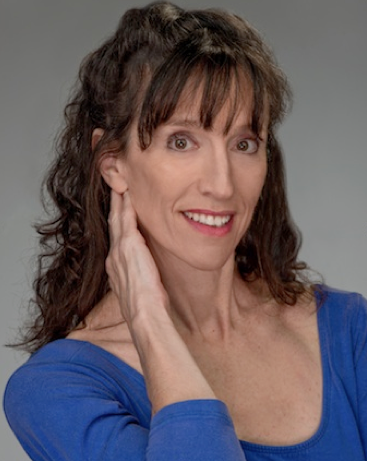 “Oh, I can tell you the exact moment when everything changed; the instant when the chapter called ‘My Life’ ended and the chapter called ‘My Life with Cancer’ began.
My surgeon wasn’t even there that day. His nurse was standing in for him. I was sitting on the examination table and the moment she walked into the office she said, ‘Let’s go over the results first.’
That was it. That’s when I knew. What was there to ‘go over’ if everything was okay?”
That is the monologue in Susan’s Undoing in which Susan recounts her realization that her life will never be the same. Susan Chase was a 45-year old dancer and actress when she was diagnosed with breast cancer.
Her loss of physical abilities and self-image was uniquely deep and wounding because so much of her prior identity was tied to her physical abilities. Two years after completing her treatment, a fragile Chase still had not recovered, emotionally or physically. She discovered that the hardest part of fighting cancer was after she had been pronounced “cured.”
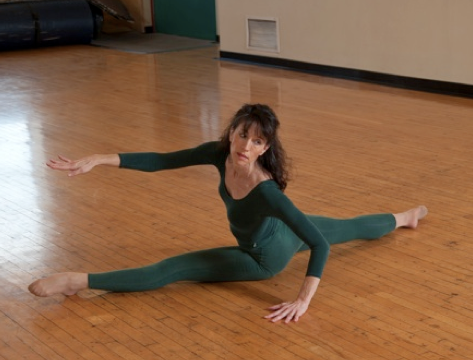
“I battled cancer for over a year,” she says. “It was challenging but clear-cut. I had a discernable enemy and a potent army of doctors, nurses and technicians.”
“The harder part for me came after the battle,” she says. “I was abandoned by my army, and despite what my doctors said, I didn’t feel ‘cured.’ I still felt weak, vulnerable and terrified.
“A drama and dance therapist at the time, I recognized the symptoms of emotional crisis. For 10 years I had worked in a psychiatric hospital for adolescents. Using my art form as a therapeutic tool, I had drawn many young patients back from the brink of suicide. Yet, I was powerless to free myself from my own demons.
“In desperation, I began journaling the experience. I had no particular goal in mind — I’d just write things on odd scraps of paper and then stuff them in a large envelope.”
Three years later, Chase opened that envelope and the scribbled entries became the backbone of her play, Susan’s Undoing. Since premiering the play in 2007, Chase has performed it throughout Pennsylvania and New England. In September, she will share the Philadelphia premier of Susan’s Undoing with audiences at the 2014 Fringe Festival.
It is a story to which many can relate. Anyone who has overcome illness, injury or trauma will recognize Susan’s struggles in Susan’s Undoing.
However, Chase has chosen to tell her story in boldly unconventional and strikingly daring ways. She spends much of the 70-minute play climbing, dangling, balancing and falling from a looming industrial ladder.
“Oh, the ladder was part of the piece from day one,” Chase says. “The ladder represents ‘the tree of life’ for me. We are, all of us, struggling to climb that tree. For me, the climb became so much more difficult when I got cancer. I was barely hanging on – maybe even fell off a few times. But I wanted the audience to see a glimpse of who I was before the cancer. I weave my body in and out of the ladder, I hang upside down from it – the tree of life was my delight in those days. I joyfully explored the intricacies of her branches.”
Though Chase resolutely avoids a pat or clichéd “happy” ending, Susan’s Undoing is undeniably uplifting and inspiring. The play bears witness to the healing power of creativity – to the power of the arts to provide consolation and inspiration to those in physical, emotional or spiritual crisis. Implicit in Susan’s Undoing is the value of embracing and telling your story.
“The truth is, my ‘healing’ didn’t begin until I began to tell my story — through writing and performing Susan’s Undoing. And I had to tell ALL of it: the sadness, the anger, the sense of betrayal. My goal now is to give others the confidence to tell their stories.”
“But that doesn’t just happen, Chase notes. And maybe that’s the most important message of the play – to just give yourself the time and space to heal – to face your feelings. And you’re not on anyone else’s schedule when you do this. Only you know how much time and space you need. But you have to do it. Everyone will tell you to ‘be positive.’ But don’t let that pressure you. You need to face ALL your feelings before you can heal.”
Susan’s Undoing Performances
 Location
Studio 1831
1831 Brandywine Street
Days and Times
Fridays: September 5 and 12 at pm ET
Saturdays: September 6 and 13 at 6 pm ET
Sundays: September 7 and 14 at 3 pm ET
Wednesday: September 10 at 12 noon (BAG LUNCH MATINEE)
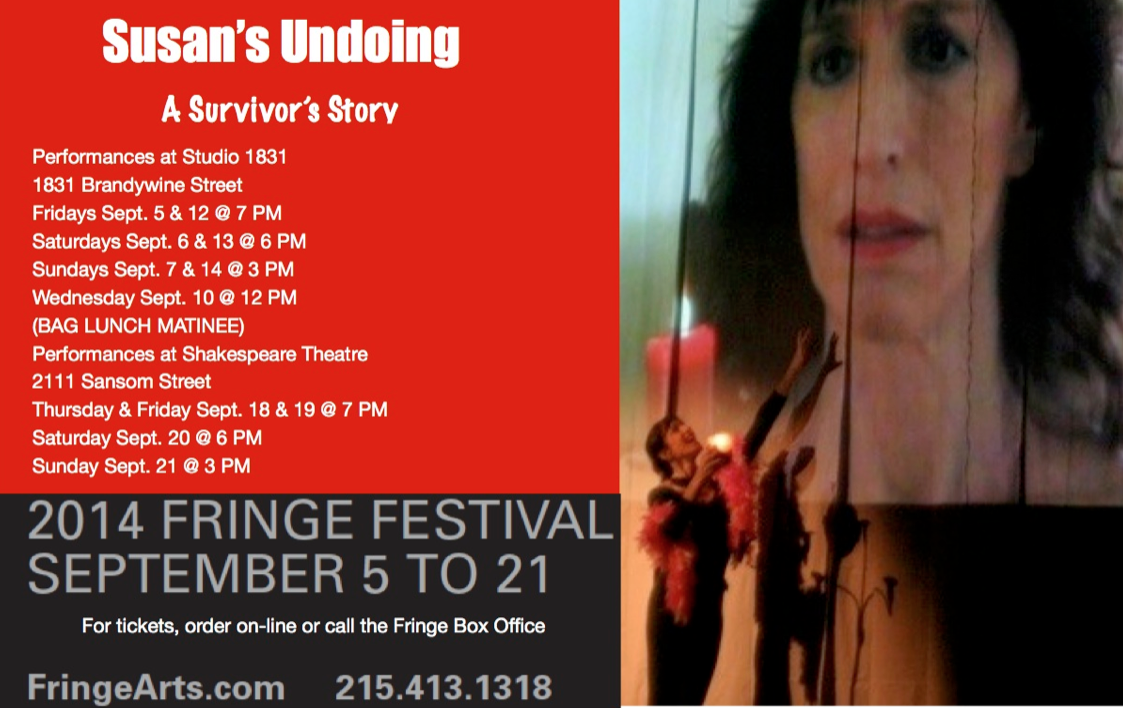
Location
Philadelphia Shakespeare Theatre
2111 Sansom Street
Days and Times
Thursday: September 18 at 7 pm ET
Friday: September 19 at 7 pm ET
Saturday: September 20 at 6 pm ET
Sunday: September 21 at 3 pm ET


