
Can someone undergoing radiation therapy or chemotherapy escape the tribulations of the side effects of cancer treatments like these? With some change in one’s lifestyle and some medicines and guidance from the doctor, this is possible to a great extent. There are a lot of side effects of cancer treatment and these points help to combat them.
Battling the Fatigue
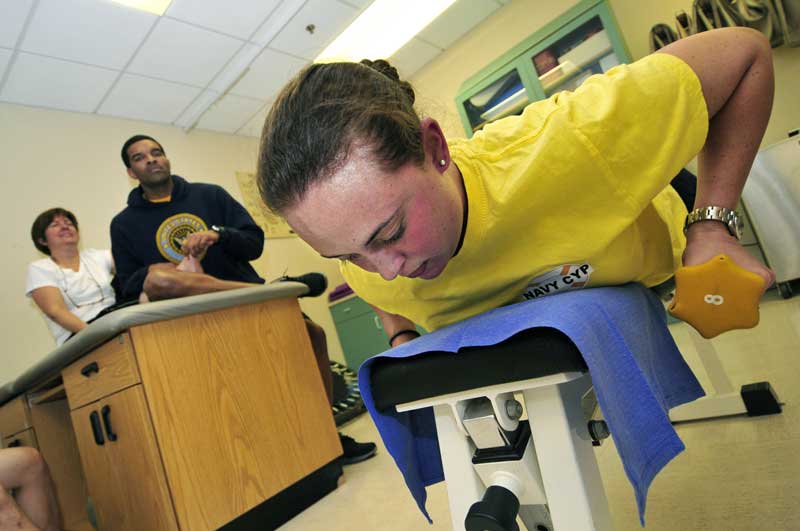
Most people undergoing radiation have to deal with immense tiredness. But this does not mean that the treatment is not working or your condition is deteriorating. To combat this weakness, be active if you can as many people feel much better after regular exercise. Some people even sleep and eat better when they exercise. Walk for 15 to 30 minutes everyday. Indulge in a light sport that you can enjoy with family members.
- Try to do fewer things in the course of the day so that you conserve your energy.
- Ask for help whenever required.
- Take short naps and sleep well at night.
- Work only if you feel up to it. You need to cut back if it gets you too tired.
Constipation
When the bowel movement becomes difficult, painful and less frequent, you are suffering from constipation. You should consult your doctor if you do not have bowel movement for 2 days. The following steps can come in handy in such a situation.
- You need to drink at least 8 cups of liquid every day. The liquids include water, fruit and vegetable juices. Warm liquids such as coffee or tea may also help.
- Indulge in some light physical exercise on a daily basis. Try practising yoga for mental and physical well being. Consult your doctor to learn about other exercises to help you get rid of constipation.
- Try eating prunes and other high-fiber foods, such as fruits and vegetables, whole-grain breads and cereals, nuts and seeds.
- Incorporate things such as Bran muffins, Bran or whole-grain cereals, cooked brown or wild rice, dried peas and beans, whole-wheat bread, whole-wheat pasta and tortillas in your cooking.
- Join support groups to meet people going through a similar phase.
- You could get your hair cut short and wash it with a mild shampoo and pat it dry gently. Men can shave their head.
- Buy a wig or a headpiece. Buy one while you still have hair on your head so that you can match it to meet the colour of your hair.
- Protect your head from the sun and the cold after hair fall. Wearing a soft scarf can help.
Hair Loss
Hair loss is called alopecia. Chemotherapy harms the cells that produce hair and hence hair on your head as well as those on other body parts may fall out. For a female, it is especially difficult to deal with hair loss.
Difficult as they might be to accept, these changes take place in the course and are side effects of cancer treatment. There are alternative therapies which are still evolving and these could opted for after a proper research to avoid going through these effects.